Your Journey Begins – How to Start a Model Car Collection

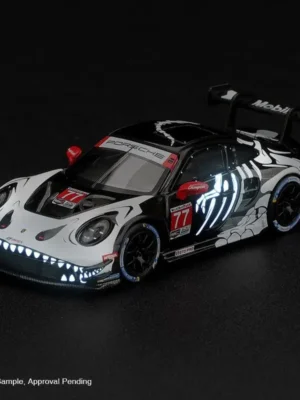
The allure of the automobile is a powerful force. It is a blend of engineering artistry, design poetry, and cultural history, all captured in steel, glass, and rubber. For many enthusiasts, the passion extends beyond the full-size machine; it finds a home in the world of miniature replicas, where the pantheon of automotive greatness can be held in the palm of a hand. This is the world of car model collecting—a hobby that is at once a celebration of automotive history, a pursuit of meticulous craftsmanship, and a deeply personal form of curation.
Embarking on this journey, however, can feel daunting. The landscape is vast, filled with unfamiliar terms, a dizzying array of scales and brands, and fundamental questions about what separates a simple toy from a prized collectible. This guide is designed to be your definitive roadmap. It will demystify the hobby for the absolute beginner, providing a comprehensive framework to navigate this exciting world with confidence. Together, we will explore the foundational concepts that define a collector’s item, delve into the science and strategy behind the materials used, analyze the critical choice of scale, survey the most important brands, and conclude with practical advice to help you acquire, display, and preserve your very first models. This is your starting line for a rewarding journey into the art of automotive collection in miniature.
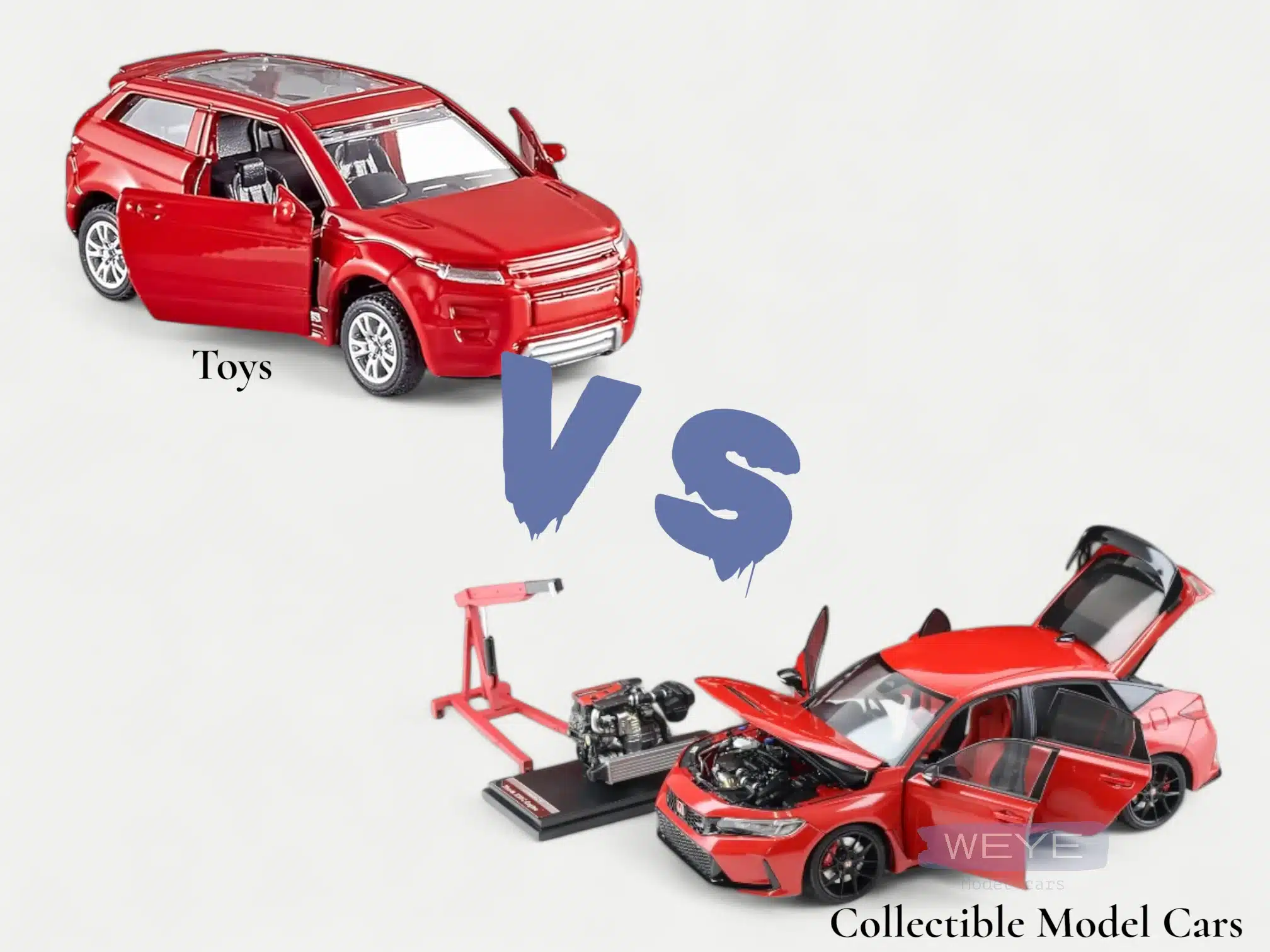
The first and most fundamental step in becoming a collector is learning to distinguish between a high-fidelity model and a mass-market toy. While both may represent a car, their purpose, construction, and very essence are worlds apart. This distinction is not about elitism; it is about understanding intent, which informs every other aspect of the object, from its material composition to its long-term value.
The primary difference lies in the manufacturer’s intent. Models are created for static display, designed to be admired for their accuracy and craftsmanship as a miniature representation of a real-world vehicle. Toys, conversely, are designed for play. Their primary virtues are durability, interactivity, and the ability to withstand the rigors of a child’s imagination.
This difference in purpose manifests in several key identifiers a new collector can learn to spot:
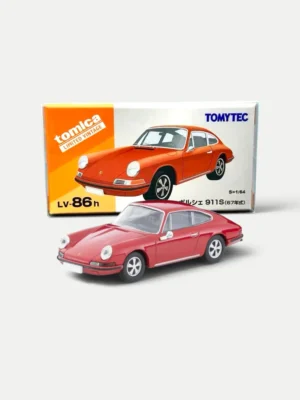
It is important to note that the line between toy and model can sometimes blur. Brands like Hot Wheels and Tomica have introduced premium lines (e.g., Hot Wheels Car Culture, Tomica Premium) that serve as a fantastic bridge for aspiring collectors. These offerings feature full metal construction, rubber tires, and a higher level of detail than their mainline counterparts, providing a taste of the collector world at an accessible price point.
Ultimately, the transition from buying toy cars to collecting model cars signifies a crucial shift in mindset. It is a move away from valuing an object for its playability and toward valuing it for its authenticity and condition. A toy is meant to be used, its value found in the experience of interaction, with wear and tear being an expected outcome. A model’s value lies in its pristine state as a static piece of art, a moment of automotive history frozen in time. Adopting this new perspective—that of a curator rather than a player—is the true first step. It is a change in perspective that transforms the act of acquisition into the art of collection, influencing every subsequent decision about what to buy, how to handle it, and how to build a cohesive display.
The material a model is made from is its soul, dictating its weight, detail precision, and overall price. Understanding these differences is crucial before making your first big purchase. Here’s a quick overview of the big three:
Diecast: This is the classic. Made from a molten zinc alloy (Zamak) injected into a mold, diecast models are heavy, durable, and often feature opening doors, hoods, and trunks. They have a substantial, high-quality feel.
Resin: Crafted from a polyurethane plastic, resin models are lightweight and can capture incredibly fine, sharp details that are often impossible with metal. However, they are more fragile and are almost always “sealed body,” meaning no opening parts.
Composite: A modern hybrid pioneered by high-end brand AUTOart, these models use an injection-molded ABS plastic body on a diecast metal frame. The goal is to achieve the sharp detail of resin with the strength to support the opening parts of a diecast model.
Choosing the right material ultimately comes down to whether you value a heavy, mechanical feel or flawless, museum-quality visual accuracy.
🔍 Deep Dive: Want to know which material lasts longer, or which one is the best investment for your specific collection? Read our complete comparison: [Diecast vs Resin vs Composite: Understanding Model Car Materials]
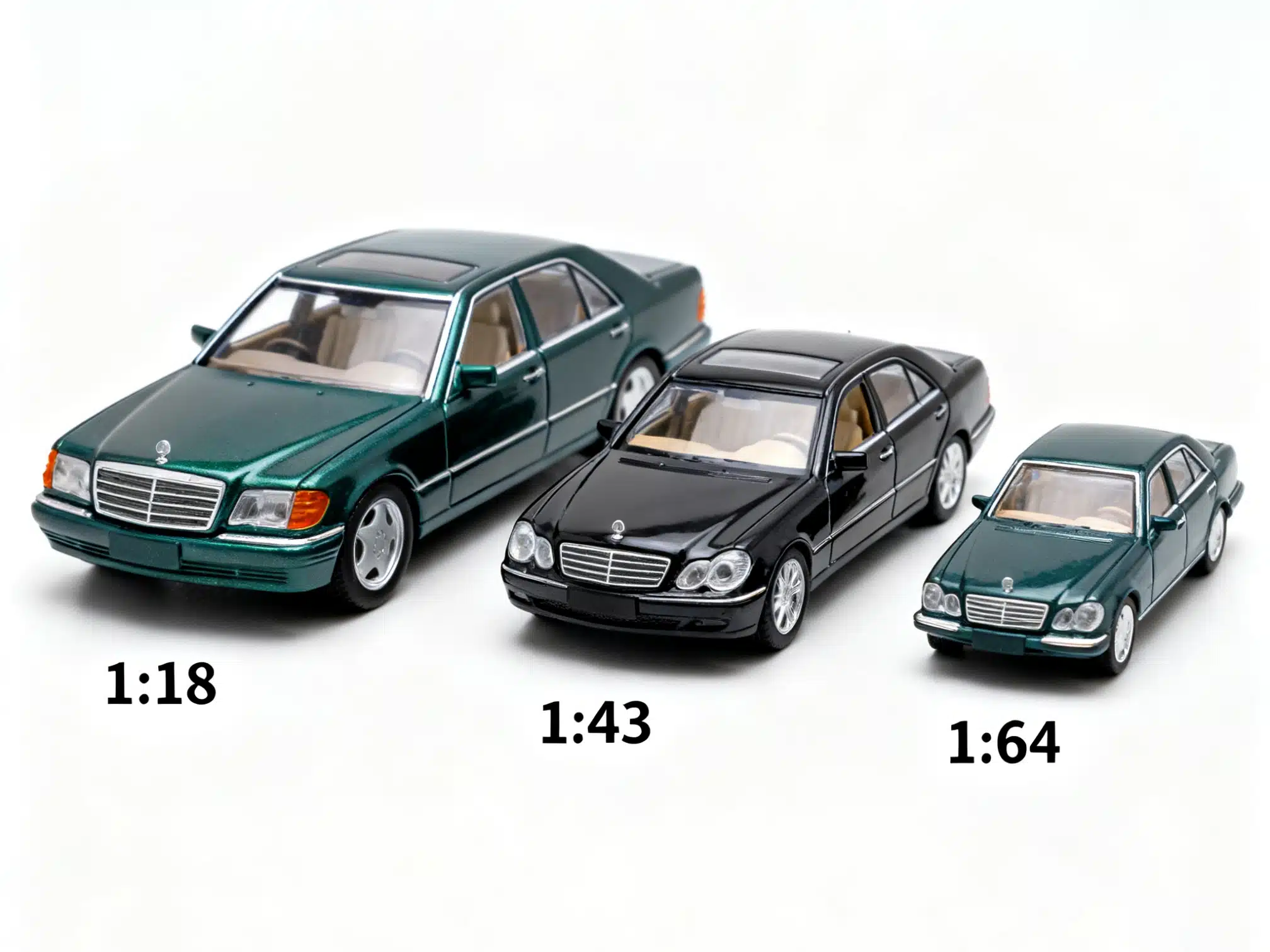
A model’s scale is its size relative to the real car, expressed as a ratio (e.g., 1:18). This means the model is 18 times smaller than the actual vehicle. A golden rule for beginners: the smaller the number after the colon, the larger the model car will be.
Here are the most popular scales in the hobby:
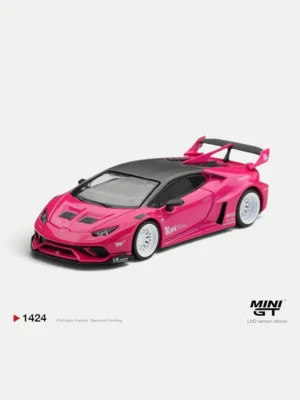
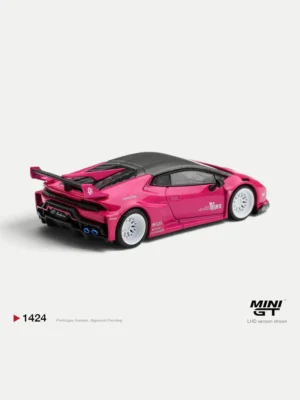
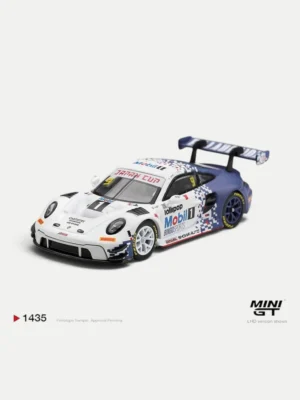
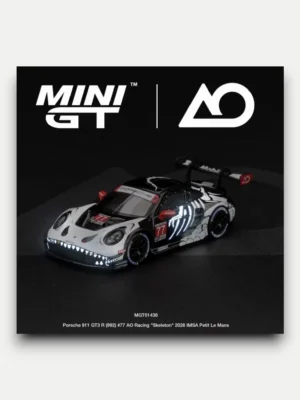
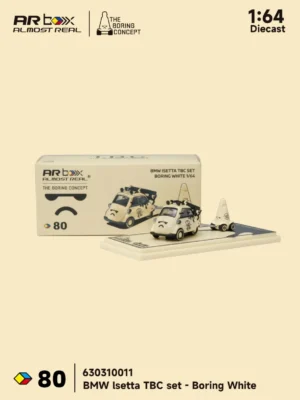
1:64 Scale (approx. 3 inches): This is the classic “Hot Wheels” size. It’s affordable and space-efficient, allowing you to build a large and diverse collection without needing a dedicated room.
1:43 Scale (approx. 4-5 inches): Often called the “golden mean” for collectors, this scale offers a fantastic balance between detail and size. It’s large enough for great detail but small enough to display a sizable collection.
1:18 Scale (approx. 10-12 inches): This is the centerpiece scale. The large size allows for a breathtaking level of detail, including fully replicated engines and interiors. These are statement pieces for any collection.
Selecting your primary scale is one of the most important decisions you’ll make for your display space and budget.
🔍 Deep Dive: Still unsure how a 1:43 looks next to a 1:64, or which size fits your display shelf best? Check out our complete visual breakdown: [Diecast Model Car Scales Explained: A Comprehensive Size Guide]
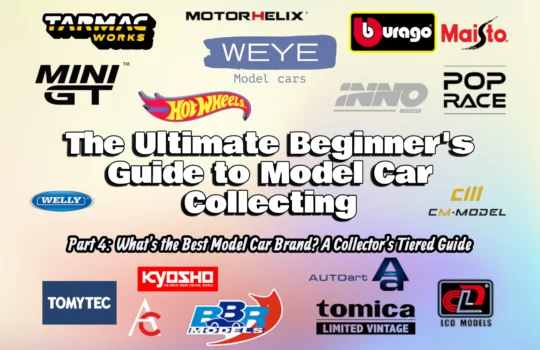
The world of model car brands can be intimidating for a beginner. Instead of getting bogged down by every single manufacturer, it helps to categorize the key players by their tier and scale:
🔍 Deep Dive: Want to know the specific pros, cons, and pricing of each manufacturer before you buy? Check out our ultimate brand breakdown: [What’s the Best Model Car Brand? A Collector’s Guide to Entry, Mid-Range, & Premium Brands]
Ready to buy your first model? Here’s a quick guide on what to look for when buying your first model car to ensure it’s a great experience.
Set a Budget: Decide what you’re comfortable spending before you start looking. This is the most important step if you want to learn how to start a diecast car collection on a budget. The hobby can get expensive, so setting limits early on is key to long-term enjoyment.
Do Some Quick Research: Once a model catches your eye, search for it online. Look for reviews on YouTube or read discussions on collector forums like DiecastSociety.com or Reddit’s r/Diecast to see what others think about its quality.
Inspect the Model: If you’re buying in a physical store, ask to see the model out of the box. Look for any quality control issues like paint chips, dust under the paint, or crooked parts like spoilers and mirrors.
Buy from Reputable Sources: To get a fair price and an authentic product, stick to trusted sellers. This includes manufacturers’ official online stores, local hobby shops, and of course, specialized online diecast retailers like our own at Weye Model Cars, where we curate a selection of high-quality models perfect for new and seasoned collectors. While platforms like eBay can be a source for rare models, exercise caution as a beginner, as prices can be inflated and it’s harder to verify the seller’s reputation.
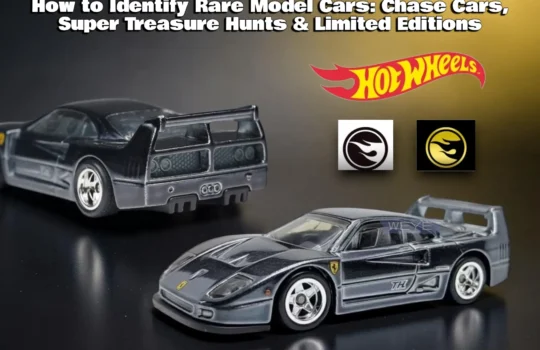
As your collection grows, you will inevitably encounter the thrill of the “treasure hunt.” Manufacturers often spice up the hobby by intentionally producing extremely limited variants, turning standard purchases into a game of luck and skill.
To navigate the collector’s market, you need to understand three core concepts:
Knowing how to identify these rare gems can instantly turn a casual hobby into a rewarding investment.
🔍 Deep Dive: Want to know exactly how to spot a hidden “TH” logo, or why “Raw” metal variants fetch such high prices on the secondary market? Read our comprehensive collector’s manual
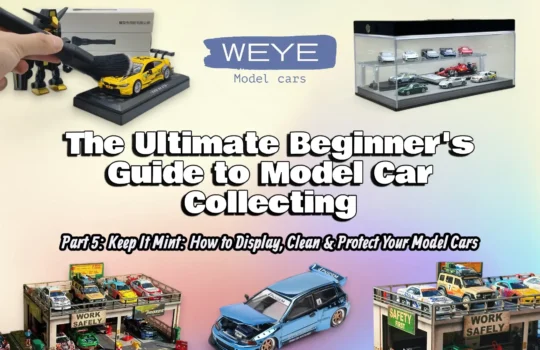
Once you have acquired your first few models, knowing how to properly care for them is essential. Proper maintenance not only keeps your collection looking stunning but also protects its long-term financial value in the collector’s market.
Here are the golden rules of model car preservation:
🔍 Deep Dive: Want to learn the safest tools for dusting fragile resin parts, or looking for the best display cabinet setups? Read our ultimate maintenance manual: [The Complete Guide to Cleaning, Displaying, and Protecting Model Cars]
You now have the basic map to begin your journey into the fascinating world of model car collecting. You know how to spot a true collectible, understand the fundamentals of materials and scales, and have a few trusted brand names to look for. Most importantly, you have a plan for making your first purchase a successful one.
This is just the beginning. In the upcoming articles in this series, we will dive deeper into each of these topics, giving you expert insights into the nuances of materials, a full breakdown of every popular scale, a comprehensive guide to the top brands, and tips on how to display and care for your growing collection.
Welcome to the model car hobby! We’re Weye Model Cars, and we’re thrilled to be part of your new journey. We hope this guide was helpful. Happy collecting!


No results found. Please try another keyword.